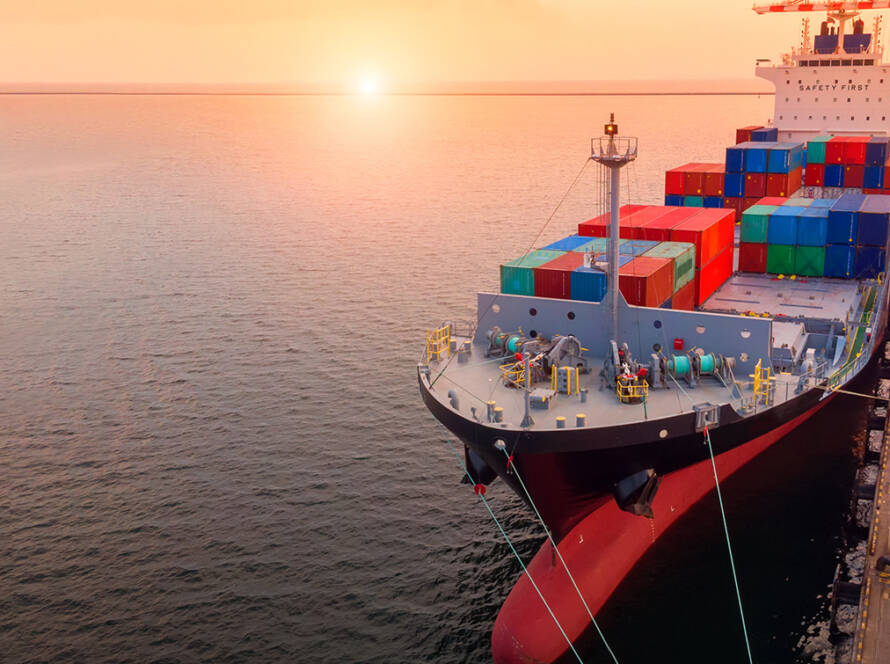
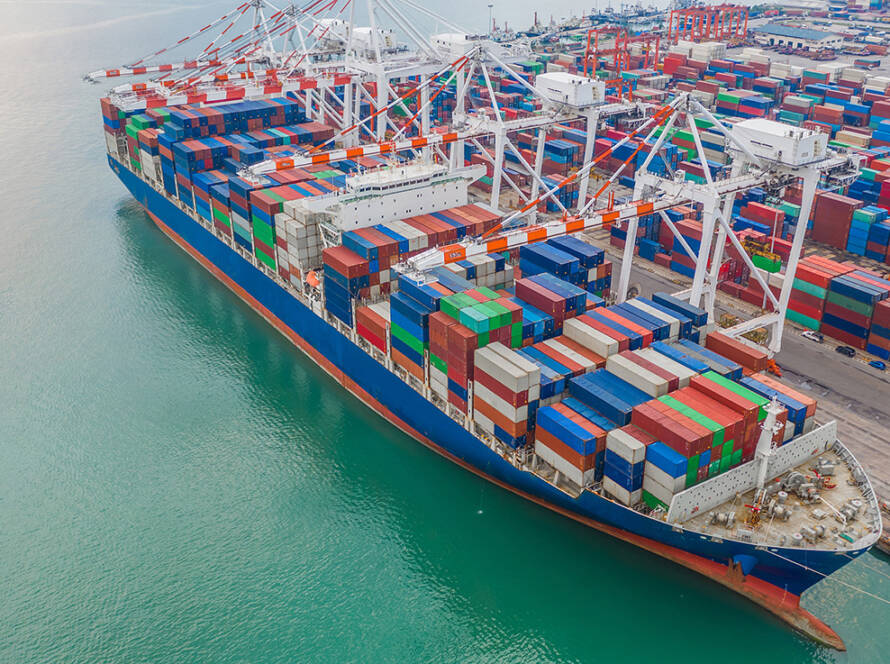
The marine logistics landscape has always been dynamic, but recent global disruptions—from supply chain bottlenecks to geopolitical changes—have pushed companies to rethink their operational strategies. Today, agility is no longer optional; it’s the defining trait of resilient logistics providers.
1. Rapid Response to Changing Market Conditions
Marine logistics requires the ability to adapt quickly to fluctuating demand, new regulations, weather disruptions, or urgent client needs. Agile companies maintain flexible routing plans, scalable resources, and contingency strategies to adjust operations without interrupting cargo movement.
Proactive communication also plays a major role. Keeping clients informed in real time helps build trust and prevents minor challenges from escalating into major delays.
2. Customized Solutions for Every Client
No two clients operate the same way. Businesses vary in their cargo types, timelines, documentation needs, and supply chain models. Agile logistics companies design tailored solutions—whether it’s specialized vessel handling, urgent crew changes, or last-mile coordination.
This personalized approach strengthens partnerships and ensures that clients feel supported, especially in high-pressure environments.
3. Technology Creating Operational Flexibility
Digital tools enhance agility by providing instant access to data and enabling quick decision-making. Real-time dashboards show vessel positions, port congestion, and fuel usage, allowing teams to reroute or adjust schedules on the fly.
Predictive analytics also help anticipate market shifts, giving companies the ability to plan ahead rather than react.
4. Collaborative Partnerships Drive Better Results
Agility flourishes when logistics providers work closely with clients, port authorities, and other supply chain partners. A collaborative approach ensures that decisions are aligned, information flows quickly, and issues are resolved efficiently.
By positioning themselves as partners—not just service providers—marine logistics companies create long-term, trust-based relationships.
5. Conclusion
As global trade continues to evolve, agility will define the industry’s future leaders. Flexible, data-driven, and client-focused marine logistics companies will be better equipped to manage uncertainty, seize new opportunities, and deliver seamless service every time.